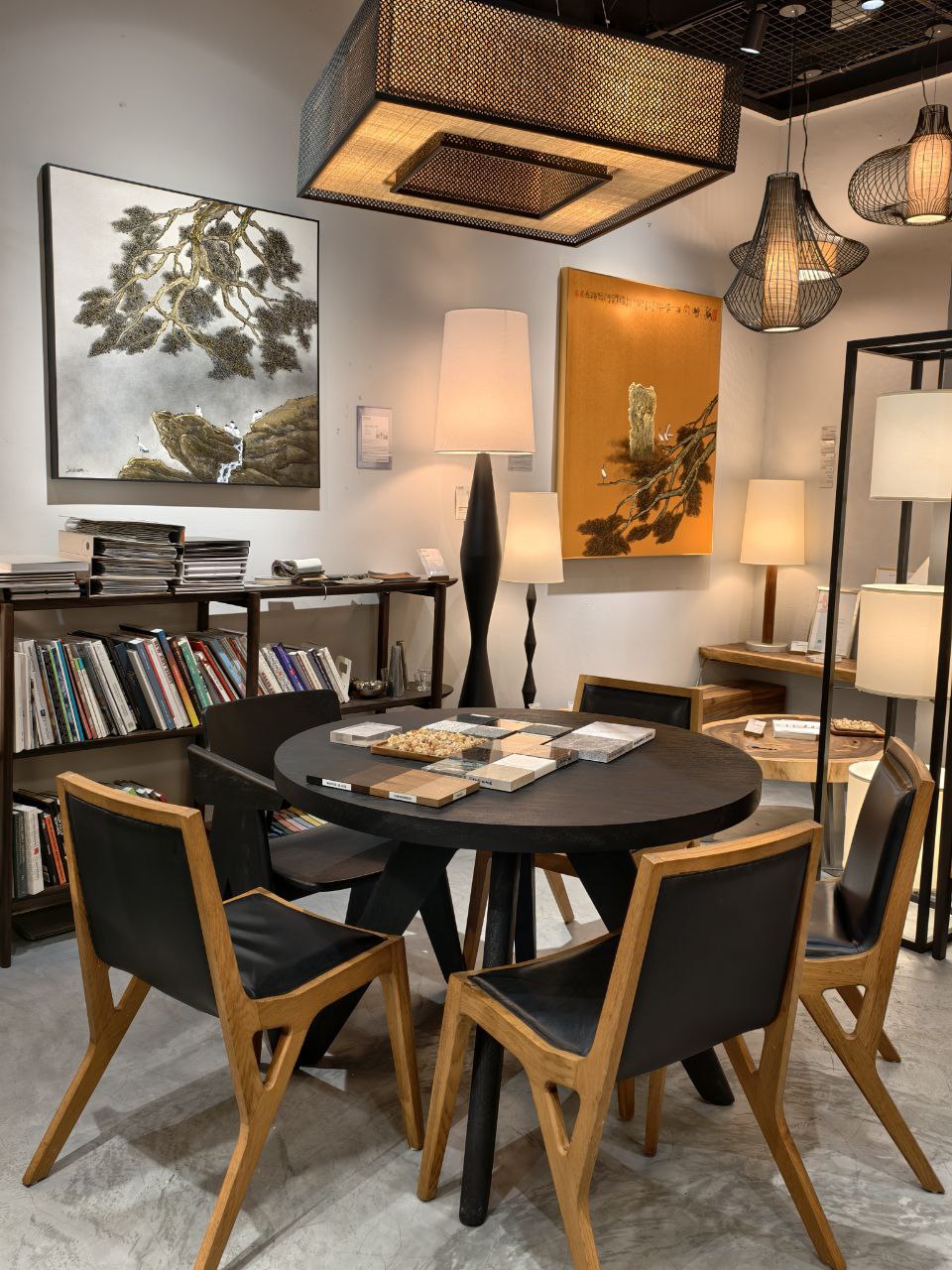
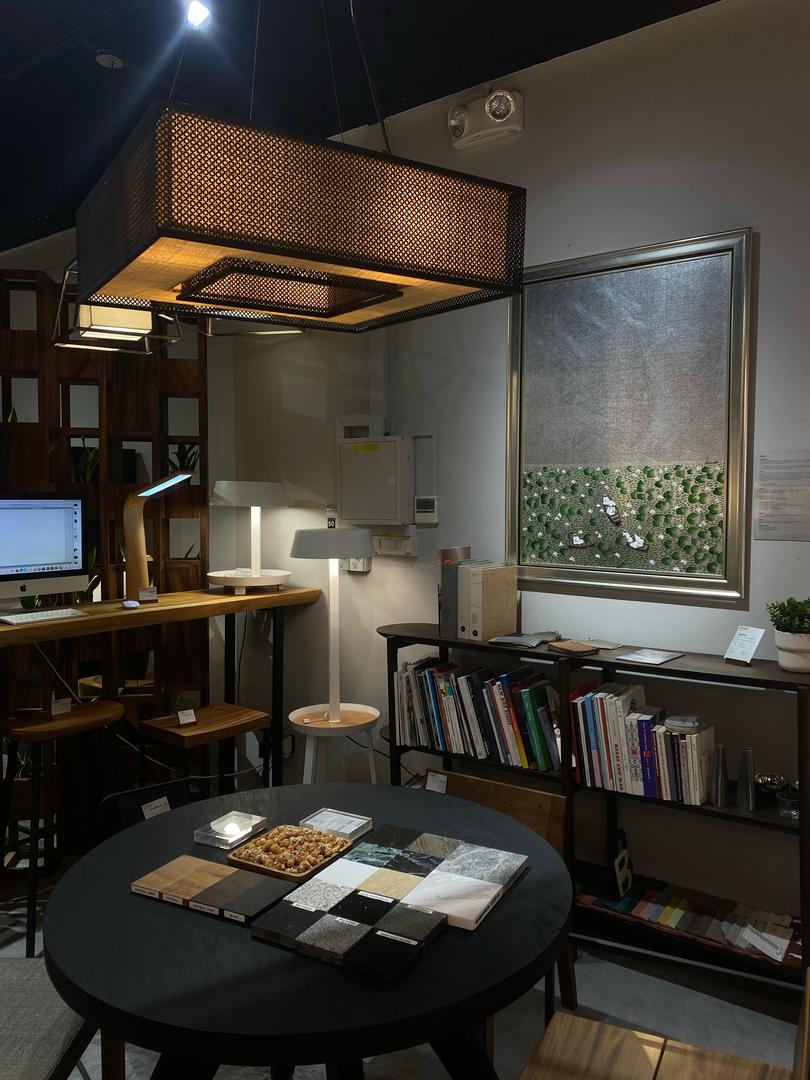
Sanzi 散子
Born 1965, Jiangsu, China
One of the leading figures in contemporary Chinese art. Known for blending Western painting techniques with traditional Chinese ink painting, metalwork and woodwork, his practice bridges Eastern philosophy with contemporary artistic expression.
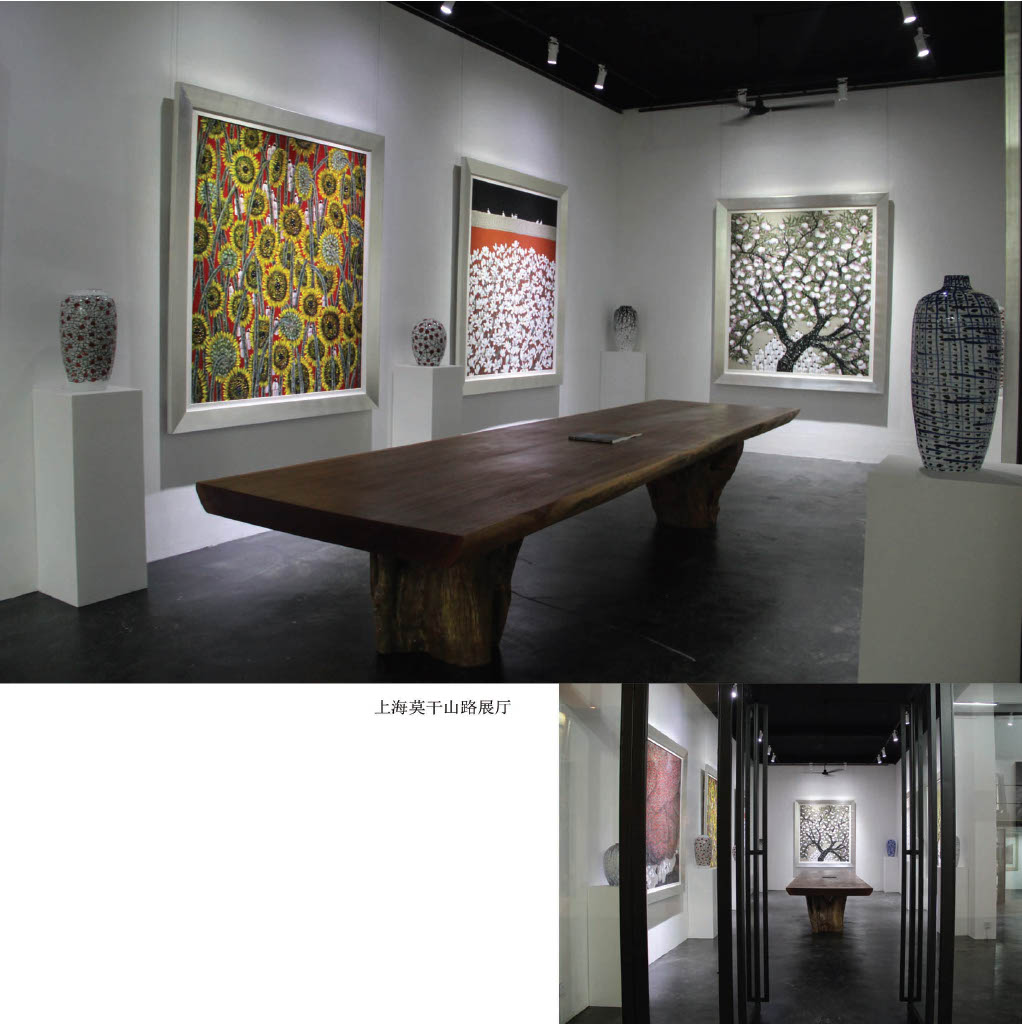
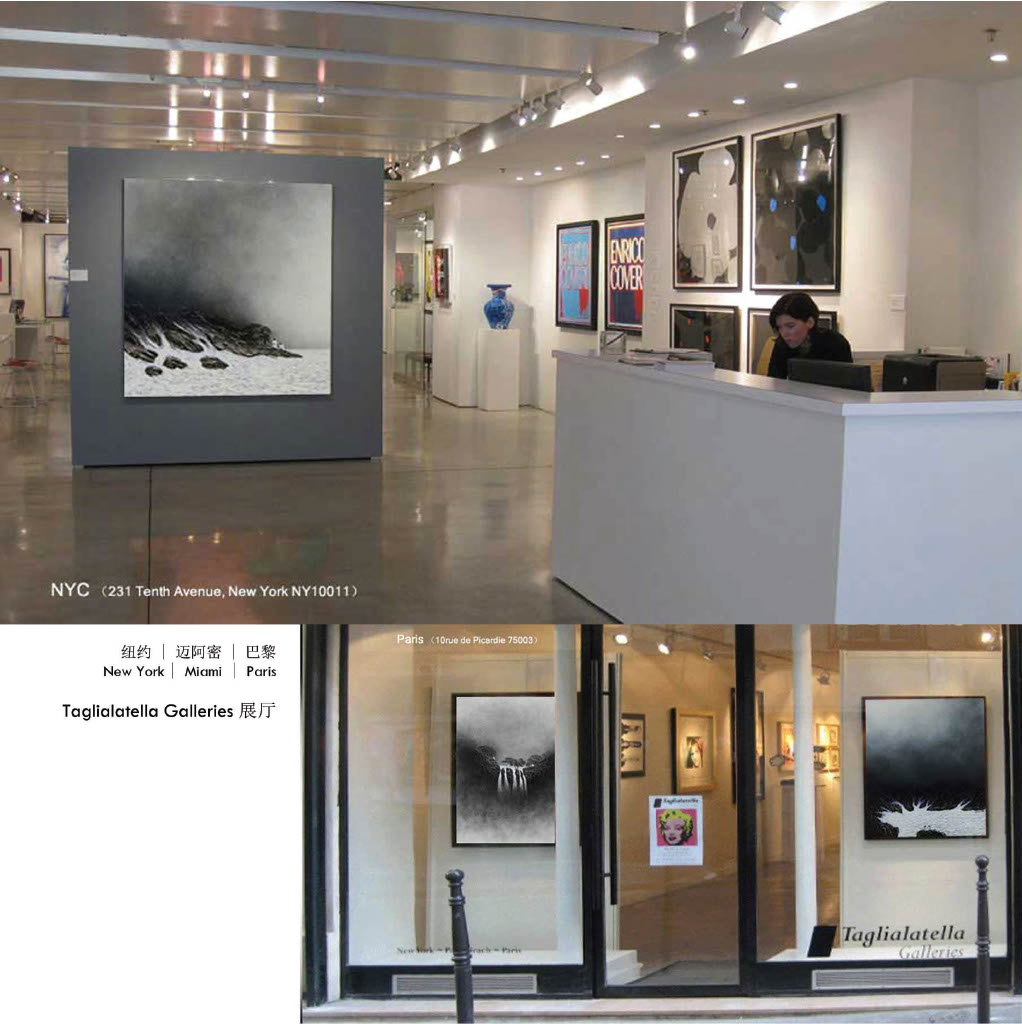
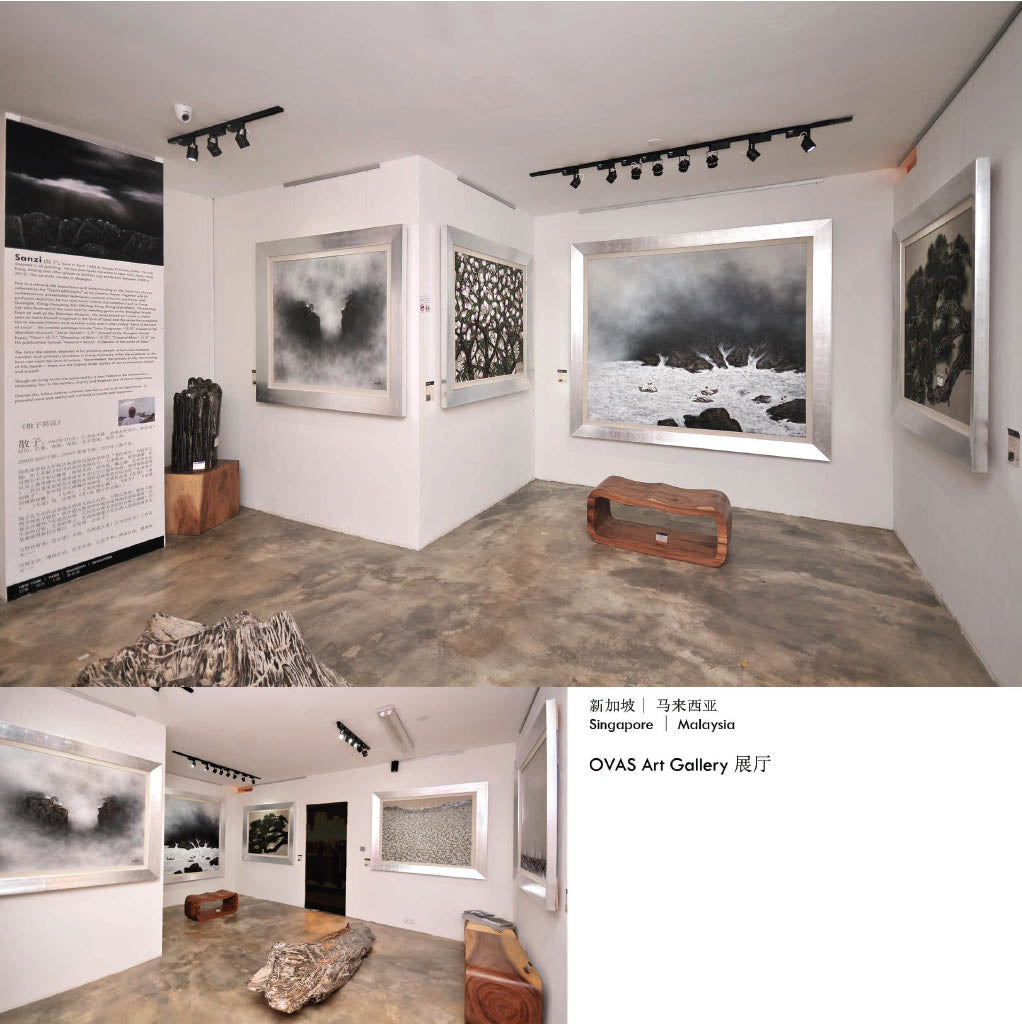
His works have been exhibited internationally in cities including New York, Paris, Hong Kong and Shanghai, and are held in prestigious museum and private collections.
Artistic Philosophy
At the heart of Sanzi's practice is Taoist philosophy.
Rather than depicting nature as scenery, his paintings explore harmony, balance and humanity's relationship with the natural world. His dreamlike landscapes and symbolic figures invite quiet reflection, encouraging viewers to slow down and contemplate the rhythms of life.
His celebrated Seeking for Immortals series, inspired by the teachings of Laozi, has become one of the defining bodies of work in his career.
Artistic Journey
Sanzi studied at the Fine Arts Institute of Hunan Normal University, where he received formal training in Chinese ink painting, calligraphy, European oil painting and sculpture.
In the late 1990s, he established his first studio in Shenzhen. Despite early rejection, his distinctive artistic language soon attracted international collectors, paving the way for exhibitions across Asia, Europe and the United States.

Recognition
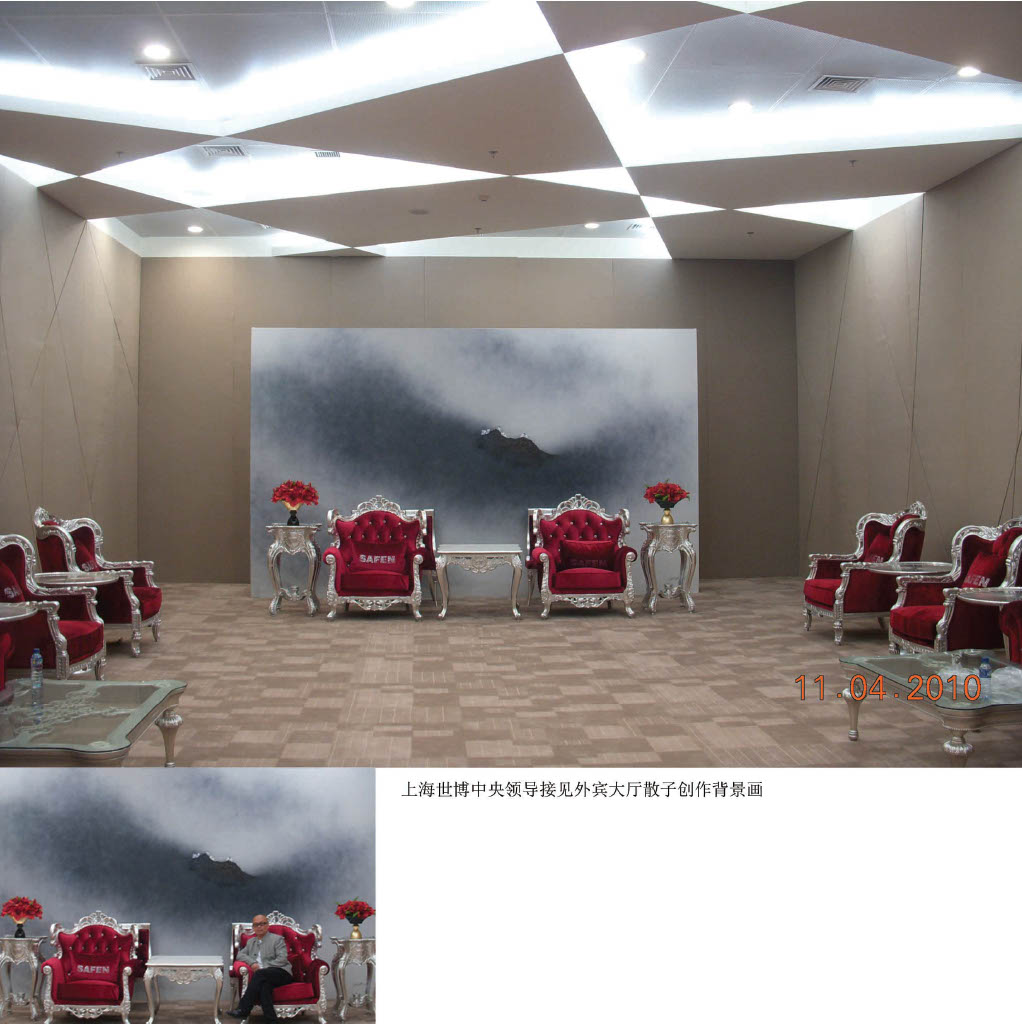
- Featured at the Shanghai World Expo (2010)
- Works housed in the Shenzhen Museum
- Solo exhibitions in Hong Kong, Shanghai, Miami, New York, Paris and Beijing
- Widely recognised as one of China's leading contemporary artists
Selected Collectors
- Consultant of George H. W. Bush
- Dai Zhikang
- Liang Guanglie
- Xiang Huaqiang
- Kong Zhong
Publications
- Immoral · Moral – Collection of Sanzi's Works
- Seeking for Immortals
Awards & Milestones
- International exhibitions across Asia, Europe and the United States
- Featured at the Shanghai World Expo
- Works collected by museums and prominent private collectors
- Published multiple books documenting his artistic philosophy
Seeking for Immortals Sequel | 《寻仙记后续》 | 散子 Sanzi
-
Masterpiece Collection: 观自在 Observing Freely - 散子 Sanzi
Regular price $130,000.00 SGDRegular price -
Masterpiece Collection: 国色 Imperial Bloom - 散子 Sanzi
Regular price $130,000.00 SGDRegular price -
Masterpiece Collection: 致向 Toward the Beyond - 散子 Sanzi
Regular price $130,000.00 SGDRegular price -
Masterpiece Collection: 清风 Gentle Breeze - 散子 Sanzi
Regular price $130,000.00 SGDRegular price -
Masterpiece Collection: 赋 Ode - 散子 Sanzi
Regular price $130,000.00 SGDRegular price -
Masterpiece Collection: 向日葵花 Sunflowers - 散子 Sanzi
Regular price $130,000.00 SGDRegular price -
Masterpiece Collection: 雪生 Born of Snow - 散子 Sanzi
Regular price $116,000.00 SGDRegular price -
Masterpiece Collection: 乘风 Riding the Wind - 散子 Sanzi
Regular price $99,000.00 SGDRegular price -
Masterpiece Collection: 石上听风 Listening to the Wind on Stone - 散子 Sanzi
Regular price $95,000.00 SGDRegular price -
Masterpiece Collection: 曾见 Once Beheld - 散子 Sanzi
Regular price $55,000.00 SGDRegular price -
Masterpiece Collection: 无声处 In the Soundless Realm - 散子 Sanzi
Regular price $55,000.00 SGDRegular price -
Masterpiece Collection : 世外 Beyond the Mortal World - 散子 Sanzi
Regular price $55,000.00 SGDRegular price